Thursday, 14 August 2014

The Kitchen's Pasta Salad

Image courtesy of Creative Commons
We had several volunteers at the yesterday's Volunteer Appreciation Barbeque ask for this recipe. As promised, here it is... 

We invite you to make this pasta salad your own. Pump up the amount of chopped vegetables you use (we did!!). Take a look around the garden so see what would fit in nicely. Switch it up by using a little basil or a little dill from time to time. In the winter time, thawed frozen peas would work well. 

You may also choose to add some protein sources to this -- shredded chicken, diced ham, drained and rinsed chickpeas or black beans would all work well in this.

It's a recipe that keeps well in the fridge so make it the day before your event and give yourself more time to relax and enjoy...

Ingredients: 

3 cups dry pasta -- we used fusilli
1/2 medium onion, diced finely, about 1/2 cup
2 tomatoes chopped -- about a cup
1/2 green pepper, finely diced, about 1/4 cup
1 cucumber (seeded if necessary), chopped
3/4 cup celery, diced finely

Dressing:
2/3 cup white sugar
1/2 c vegetable oil
1/3 c ketchup
1/3 c vinegar
1/2 tsp salt
1/4 tsp pepper
1 tsp paprika

Directions: 
  1. Cook pasta is a large quantity of boiling water until tender but not mushy-- al dente as they say in Italy.
  2. Drain and rinse pasta and set to cool. 
  3. In a large bowl, mix sugar, oil, ketchup, vinegar, salt, pepper and paprika until thoroughly mixed. 
  4. Add cooled pasta to the dressing mix and stir until pasta is coated. 
  5. Add chopped vegetables and stir. 
  6. Keeps in the refrigerator 3 days; bring to room temperature before serving. Remix just before serving (dressing will settle to the bottom of the bowl).

Wednesday, 13 August 2014

Garlic Cheddar Drop Biscuits

Image courtesy Creative Commons 

These quick and easy drop biscuits make a perfect accompaniment to a chili or chowder. This is a copy cat recipe for the Red Lobster restaurant chain's biscuits. The secret to them is the extra butter added to the baking mix. It adds a lightness to them that is particularly good. Freezing the butter makes it possible to grate into the biscuit mix and it's much faster than cutting it in using other methods, such as a pastry cutter. Additionally, the butter pieces remain separate until they melt in the oven, making the biscuit even lighter in texture.

Ingredients
  • 2 1/2 cups Homemade baking mix or a commercial brand such as Bisquick.
  • 4 tablespoons cold butter
  • 1 cup sharp cheddar cheese, grated
  • 3/4 cup cold milk
  • 1/4 teaspoon garlic powder
  • 1/4 teaspoon Old Bay seasoning (optional)

Brush on top
  • 2 tablespoons butter, melted
  • 1/2 teaspoon garlic powder (not salt)
  • 1/4 teaspoon dried parsley flakes
  • 1 pinch salt

Directions
  1. Put the butter into the freezer for 15 minutes so it can get really cold (frozen even).
  2. Grease a cookie sheet or line it with parchment paper.
  3. Preheat oven to 400°F.
  4. Grate the frozen butter into the baking mix and combine lightly. There should be small chunks of butter about the size of peas. Add cheese and garlic powder
  5. Add milk and quickly combine by hand. Don’t over mix.
  6. Drop 9 equal portions onto greased cookie sheet.
  7. Bake for 15-17 minutes or until tops are light brown.
  8. Melt 2 tbsp butter in a bowl. Stir in 1/2 tsp garlic powder and parsley flakes.
  9. As soon as they come out of the oven, use a pastry brush to spread garlic butter over the biscuit tops. 


Saturday, 9 August 2014

Know Your Ingredients: Mustard


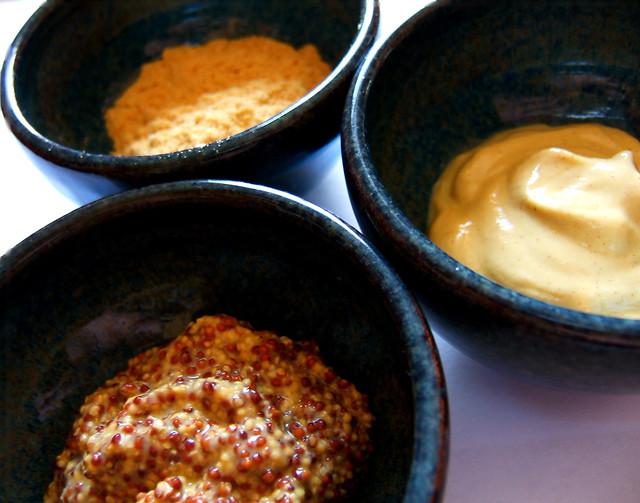
Three types of mustard from Flickr via Wylio
© 2006 Jessica Spengler, Flickr | CC-BY | via Wylio
There’s a zillion kinds of mustards on the market these days. You can chose from hot and spicy to a mild honey mustard -- beer, wine or deli mustard. It’s actually one of the most widely used condiments in the world. It can be made from the ground seeds of the yellow mustard plant, brown (Indian) mustard plant or black mustard. These seeds, either ground cracked or sometimes whole, are combined with lemon, salt, lemon juice, wine or other liquids to make that familiar paste that we use to spice up our hotdogs, salads, soups and marinades. Mustard preparations are found in cuisines around the world including India, Africa, the Mediterranean, the Americas and Europe.

The first recipe we have for mustard comes from the famous forth (or fifth) century Roman cookbook “Apicus”. It calls for ground mustard seed to be mixed with unfermented grape juice, also know as “must”, along with pepper, caraway, dill, celery, thyme, onion, honey, vinegar fish sauce and oil. This “burning must” – mustum ardens in Latin – was eventually shortened and gave us the word “mustard”. Romans considered it a great accompaniment to roast boar but also found it useful to cure toothaches, stimulate appetite and digestion, clear the sinuses and increase blood circulation. Try to get all that out of a bottle of ketchup!!

Dry yellow mustard powder is actually very mild in taste. The heat of a mustard preparation doesn’t come about until it’s mixed with a liquid. Ground yellow mustard makes for a milder preparation than either black or brown Indian mustard. Additionally, the temperature of the preparation makes a difference. Really fiery mustards are made with cold water and small amounts of mild acids, such as vinegars. Milder mustards are made with hot water and stronger acids that break down the “heat” of the sauce.

Commercial “yellow mustard”, also known as “American mustard” has a large amount of turmeric added to give it its characteristic yellow colour. Dijon mustard was first made in the Dijon region of France in the mid 1800s when a cook substituted verjuice (an unfermented grape juice) for vinegar in a classic recipe. Today, Dijon mustards are mostly made with white wine over verjuice and very little of it is produced in Dijon France anymore. Interestingly enough, even the mustards made in Dijon are made almost exclusively with Canadian grown mustard seeds. Canada produces between 70 and 80 percent of the world’s exported mustard seed, mostly in Alberta and Saskatchewan.

In addition to being a great and versatile condiment, mustard also performs the useful task of being an inexpensive emulsifier. 

Mustard has an extremely long shelf life, both in seed, powdered or prepared form. Mustard has natural antibacterial properties and does not require refrigeration as it does not support molds, mildews or harmful bacterial growth. Prepared mustards will lose their pungency over time. The flavour elements that were released with the addition of liquid can evaporate so keep your mustard in a tightly sealed container and out of direct sunlight. 

Friday, 8 August 2014

Know Your Ingredients: Garlic

Garlic growing in a container. Image from Creative Commons
In quantities large or small, garlic packs a punch, and is one of the most versatile culinary additions around. Garlic is used in many savoury dishes to add flavour. It’s one of humanities oldest aromatic additions to cuisine, having been in use for some 7000 years, It’s an integral part of Asian, Mediterranean, African and European cuisine. Garlic was used as both food and medicine when the Great Pyramid was being built in the Giza plateau. Greek and Roman physicians prescribed it as a cure-all for everything from parasitic infections to pulmonary tuberculosis.

The ancient physicians weren't too far off the mark. Both animal studies and small trials on human subjects show that garlic has good cardiovascular benefits by reducing blood cholesterol and triglyceride levels. It also has an effect on blood clotting rates and people taking prescribed anticoagulants, such as Warfin, should check with their doctor or pharmacist to see if there are any concerns about drug interaction.

Some quick tips about this wonderful seasoning:

  • Raw garlic is the strongest of all its forms. If you’re looking for a milder taste, it can be blanched, sautéed or roast – each technique giving a different nuance to the overall taste.
  • Elephant garlic, the great huge bulbs we can buy at grocery stores, isn't garlic at all. It’s actually part of the Lily family. 
  • Scapes are the curly green cutting from the maturing garlic plant. They are slightly milder than garlic cloves, but still with the same flavour. They are nice raw in hummus, spreads, or salads and add nice flecks of colour. Try our Garlic Scapes and White Bean dip 
  • Fresh garlic is a rare find. It is garlic used within the first week or two after it's harvested from the ground. Most garlic that we purchase is cured by letting it dry for several days. This allows it to be stored longer. Garlic should be kept in a cool dark place (and used before it moulds or begins to sprout.)
  • Keep in mind that garlic burns quickly in a frying pan, so cook it at a low temperature and/or for a short time before adding more ingredients. If garlic overcooks, it takes on a very bitter taste that will permeate the entire dish. 
  • Powdered garlic is simply cured garlic that has been further dehydrated, then powdered. It tends to be MORE pungent than cured garlic bulbs, so use sparingly, and taste your dish often.


If you find yourself with some extra bulbs and have some room to garden, growing garlic is easy peasy! Every single clove you plant will give you a whole bulb! In the fall of the year, break up a bulb of garlic into individual cloves. Simply push the clove into the soil a couple of inches, blunt end pointing down. Cover them with mulch and wait until spring. Come the warmer weather, brush away the mulch and compost when you find shoots. Once the curly scapes start winding up out of the plant, be sure to trim (and use!) them. This pushes the plant to put it’s energy into growing a nice big bulb. Harvest the remainder of the plant when the leaves turn yellow. Lay them out until the think skin around the bulb becomes papery, then store them in a cool dark place until ready to use!

Tuesday, 5 August 2014

French Salad Dressing

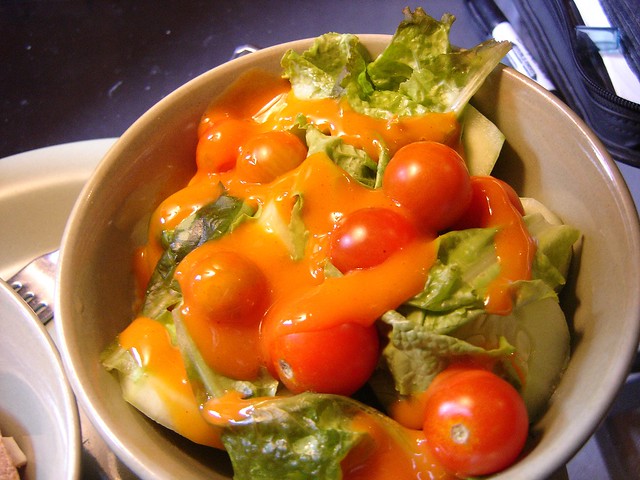
Cucumbers On Bottom from Flickr via Wylio
© 2007 Andy Melton, Flickr | CC-BY-SA | via Wylio
The term "French dressing" refers to different things in different countries. In Germany and Switzerland, it refers to a white dressing made with mayonnaise or cream. In England, it's an off-white dressing made from vinegar, oil, Dijon mustard and garlic and frequently various fresh herbs. In North America, it refers to a tomato based recipe that is slightly sweet to the taste.  We've cut the sugar in this recipe to suit our tastes but feel free to make it according to how your family likes it. That's the great thing about home made dressings over bottled ones -- you can customize them and they're a whole lot cheaper than commercial bottled ones.  

Ingredients
1 10 oz can of condensed tomato soup 
1/3 cup chopped onion
1/4 cup apple cider vinegar
1 Tablespoon brown sugar
3 Tablespoons olive oil or vegetable oil
3/4 teaspoon Worcestershire sauce 
1 clove garlic minced or 1/4 teaspoon of powdered garlic (not garlic salt) 
pinch salt 

Directions: 
Put all ingredients in a blender and process until smooth. If you prefer, you can put them all into a large measuring cup and process using a stick blender. Pour into a jar with a tight fitting lid. This stores in the refrigerator for a week. Shake well before using. 

Basic Vinaigrette Dressing

Image courtesy of Creative Commons 
By and large, commercial salad dressings are not the first choice here in the kitchen. The exception to this general rule is Caesar dressings.

This basic vinaigrette is a classic "go to" recipe that can be whipped up in minutes at a quarter of the price of bottled dressings.

For the ultimate in "minimal equipment" put all the ingredients in a jar (like a Mason jar) with a tight fitting lid and shake it vigourously until everything is combined. You'll have to re-shake it before serving as the oil will separate out. Also, if you use olive oil in any dressing, it will solidify at refrigerator temperatures. Just take out of the fridge for a few minutes to allow it to re-liquefy before serving.

Ingredients:

  • 2 Tablespoons red wine vinegar
  • 2 teaspoons dijon mustard
  • 1/2 teaspoon salt
  • pepper to taste
  • 1/3 to 1/2 cup olive oil 
Directions:

  1. Whisk together the wine vinegar, mustard, salt and pepper. Gradually whisk in 1/3 to 1/2 cup of olive oil.
  2. Store leftovers in the refrigerator for up to 7 days in a tightly sealed bottle. Allow to return to room temperature before serving and shake to incorporate ingredients again. 


Friday, 1 August 2014

Blueberry Balsamic Reduction


A great sauce can go a long way from taking a meal from “okay” to “wow” in short order. When company’s coming, or there’s a special occasion in the household, we don’t necessarily need to go out and spend gobs of money on the main ingredients of the celebration meal. A little spent on a fabulous sauce can turn a plain dinner into a gourmet delight.

We tried this one on a piece of steamed Arctic char. It would be equally as good on haddock or any other firm white fish. We also thought it would be an excellent accompaniment to roast pork loin, pork tenderloin or a nice pork chop.

The sauce can be made ahead and just rewarmed slightly before serving. Fresh or frozen blueberries work in this recipe and leftovers are good in a covered container in the fridge for 5 days. We adapted this from a recipe published in Canadian Living magazine.

Ingredients:
·         2 cups blueberries, divided (fresh or frozen)
·         1 cup water
·         1 tsp white sugar
·         Zest of one lemon
·         2 Tbsp finely minced red onion
·         1-1/2 cups balsamic vinegar
·         ¼ cup cold butter (cubed)

Directions:
1.       Take one cup of the blueberries and put in small saucepan. Add sugar, lemon zest, water and minced red onion.

2.       Bring to a boil and lower heat to a simmer. Cook until the blueberries and onion are very soft.

3.       Strain the blueberry mixture through a fine sieve, collecting the liquid that comes off. Using the back of a spoon, squish the blueberries against the strainer to extract as much of the juice as possible. Once they’re drained, discard skins and onion.

4.       Heat blueberry/onion juice until boiling. Reduce heat slightly and allow to cook until volume is approximately ½ the original amount and it is thickened. You can tell if it’s sufficiently thickened if you scrape the bottom of the saucepan with your spoon and the trace mark lets you see the pot bottom for just a moment before the sauce fills it in. Once thickened, take off the heat and set aside
.
5.       In another saucepan, heat the balsamic vinegar to a boil and allow it to reduce to half its original volume. Be aware this can be a pretty pungent, acid smell that can be a bit uncomfortable to breathe, so open a kitchen window if you can or have the exhaust fan on. The vinegar is reduced when it is thickened like step 4 and you can see the trace on the bottom of the pan. Reduce heat to low

6.       One at a time, add the cubes of butter into the hot vinegar and whisk until the butter is melted and incorporated into the sauce.


7.       Add the blueberry reduction from step 4 and the remaining 1 cup of blueberries. Allow the whole blueberries heat up before serving.